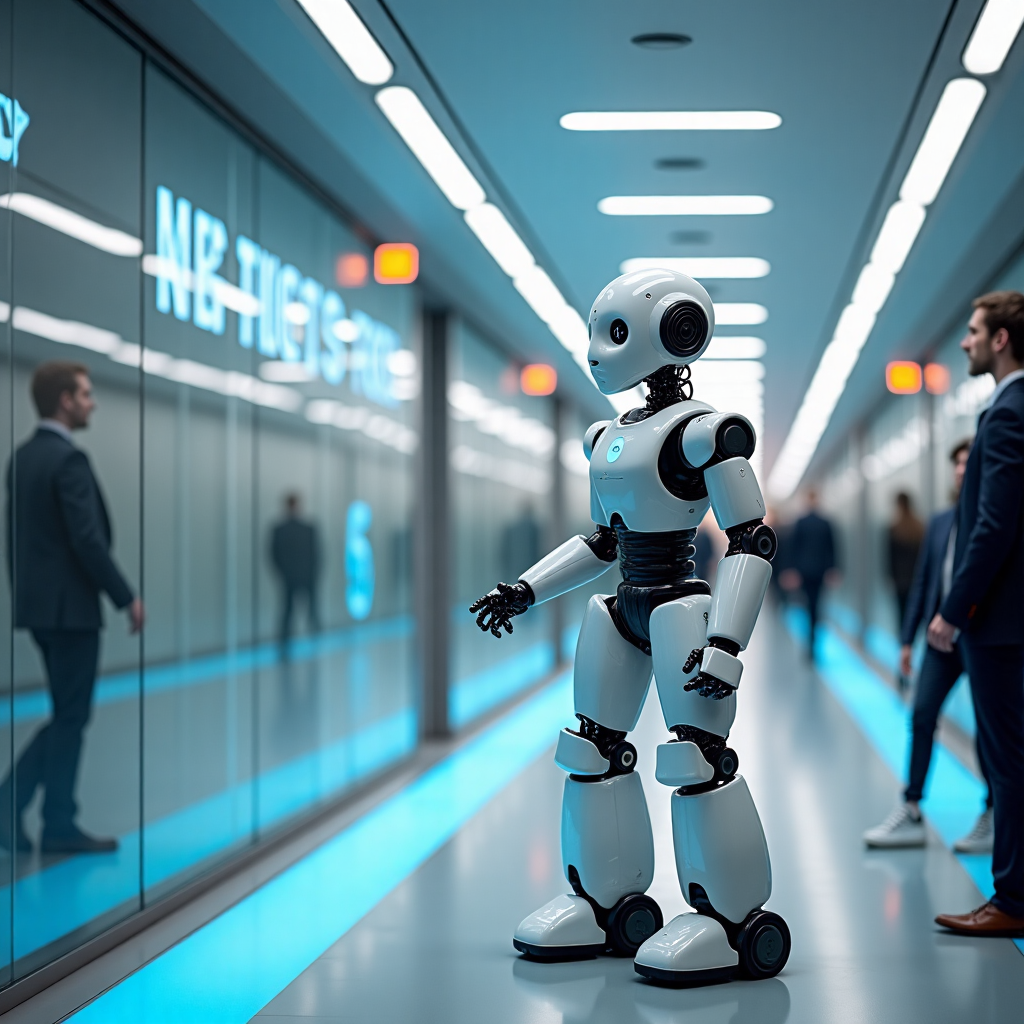
For many people, the word “robot” still conjures images of science fiction factories, gleaming humanoids, or distant Mars rovers. But the most profound robotics revolution is happening far closer to home. Over the past decade, robotics has quietly moved from the pages of engineering journals into our kitchens, hospitals, schools, grocery stores, and farms. These innovations are not merely novelties; they are reshaping how we clean, heal, move, learn, and work. As someone who has spent the last ten years writing about technology and its intersection with daily life, I have watched this shift accelerate dramatically. The robots around us today rarely look like the metal men of old movies. Instead, they appear as smart vacuum discs, robotic arms in warehouses, surgical assistants, autonomous delivery carts, and even companion seals in nursing homes. The goal of this article is to explore the most impactful robotics innovations in everyday life, explain how they work, and consider what their growing presence means for our future.
What makes this era of robotics unique is not just the sophistication of the machines, but their integration into ordinary routines. Advances in sensors, artificial intelligence, battery efficiency, and cloud computing have made robots more affordable, adaptive, and safe enough to operate alongside humans. Where robots once needed highly structured environments and expert operators, they can now navigate unpredictable homes, interpret spoken commands, and even learn from experience. This transition from industrial isolation to everyday ubiquity is arguably one of the most significant technological shifts of the twenty-first century. It is a quiet revolution, yet its effects are already visible in the most mundane corners of our lives.
Robotics in the Home: More Than Just Vacuuming
The home has become one of the most visible battlegrounds for consumer robotics. For years, the robotic vacuum cleaner was the poster child of domestic automation, and it remains the most widely adopted home robot. However, the category has expanded far beyond simple floor cleaning. Today, home robots mop, mow lawns, clean pools, monitor security, and even provide companionship. The underlying technology has also improved dramatically. Early robotic vacuums bumped randomly around rooms, but modern models use LiDAR mapping, camera-based visual navigation, and machine learning to build precise floor plans, avoid obstacles, and clean in systematic patterns.
Smart Cleaning and Maintenance
Robotic vacuum and mop combinations are now capable of distinguishing between carpet and hardwood, adjusting suction power automatically, and emptying their own dustbins into larger docking stations. Some advanced models can recognize specific objects such as pet waste, cables, or socks, and alter their cleaning path accordingly. These seemingly small improvements matter because they reduce the need for human intervention, which is the true promise of home automation. Beyond indoor cleaning, robotic lawn mowers have become increasingly popular in suburban areas. They use boundary wires or GPS mapping to maintain lawns with minimal oversight. Similarly, robotic pool cleaners scrub floors and walls while filtering water, turning a tedious chore into a background task.
Companion and Assistive Robots
Perhaps the most emotionally resonant area of home robotics is the rise of companion and assistive robots. For older adults and people with disabilities, robots can provide more than convenience; they can offer a degree of independence. Simple robotic pets, such as the seal-like PARO, have been shown to reduce stress and improve social engagement in dementia patients. More practical assistive robots can remind users to take medication, detect falls, and even help with lifting or mobility. Voice-controlled robotic arms can assist people with limited mobility in eating or picking up objects. These robots are not intended to replace human caregivers but to supplement them, offering support in moments when human help is unavailable. The emotional bond that some users form with these machines raises fascinating questions about the nature of companionship, but the practical benefits are undeniable.
Healthcare and Rehabilitation: Precision and Possibility
Healthcare is where robotics innovations often make the most life-changing impact. From operating rooms to physical therapy clinics, robots are extending the capabilities of medical professionals and improving patient outcomes. The integration of robotics in medicine has grown from experimental demonstrations to standard practice in many hospitals around the world. This shift is driven by the need for greater precision, reduced recovery times, and the ability to perform procedures that would be impossible with human hands alone.
Surgical Precision and Minimally Invasive Procedures
Robotic surgical systems, such as the da Vinci Surgical System, allow surgeons to operate through small incisions with enhanced dexterity, magnification, and tremor reduction. The surgeon controls robotic arms from a console, translating hand movements into precise micro-movements inside the patient’s body. This approach has transformed procedures in urology, gynecology, cardiology, and general surgery. Patients often experience less pain, reduced blood loss, shorter hospital stays, and faster recoveries. Newer systems are incorporating artificial intelligence to provide real-time guidance, highlight critical structures, and even predict complications before they occur. While the surgeon remains firmly in control, robotics multiplies their skill and reduces variability.
Exoskeletons and Mobility Assistance
Outside the operating room, robotic exoskeletons are giving movement back to people with spinal cord injuries, stroke survivors, and individuals with degenerative conditions. Wearable robotic suits support the legs and torso, enabling users to stand, walk, and even climb stairs. These devices use a combination of motors, sensors, and software to detect the user’s intent and provide the appropriate assistance. Beyond rehabilitation clinics, exoskeletons are increasingly used in industrial settings to reduce fatigue and prevent injuries among workers who lift heavy loads. In everyday life, this technology offers a profound psychological benefit: the restoration of eye-level interaction and independent movement.
Telepresence, Sanitization, and Hospital Logistics
Robots also play a less glamorous but critical role in hospital logistics. Autonomous mobile robots transport medications, lab samples, linens, and meals throughout medical facilities, freeing nurses and staff to focus on patient care. During the COVID-19 pandemic, ultraviolet disinfection robots gained prominence by killing pathogens in patient rooms and operating theaters with precise doses of UV-C light. Telepresence robots allow doctors to conduct remote consultations, check on patients in intensive care units, and even attend rounds from across the world. These everyday innovations reduce infection risks, improve efficiency, and expand access to specialist care in rural or underserved areas.
Transportation and Logistics: The Invisible Backbone
When you order a product online and it arrives at your door within hours, you are experiencing the result of a vast robotics infrastructure. While self-driving passenger cars attract the most headlines, the most advanced autonomous systems today operate in warehouses, distribution centers, and last-mile delivery. These robots work behind the scenes, yet their impact on daily life is enormous. They shape how quickly we receive goods, how stores restock shelves, and even how food reaches our tables.
Autonomous Delivery and Last-Mile Solutions
Small delivery robots now roam sidewalks in several cities, carrying groceries, takeout meals, and packages. These machines use cameras, radar, and GPS to navigate pedestrian environments at walking speed. They are designed to be polite and cautious, pausing for obstacles and obeying crosswalk signals. Drones, while still subject to regulatory hurdles, are being tested for medical supply delivery in remote areas and for rapid parcel drops in suburban neighborhoods. The promise of autonomous delivery is not just convenience; it is also sustainability and accessibility. Electric delivery robots can reduce the number of short car trips, lower emissions, and provide essential goods to people who cannot easily leave their homes.
Warehouse Automation and the Future of Work
Inside massive fulfillment centers, thousands of robots work in coordination with human employees. Amazon’s Kiva-style robots, for example, lift entire shelving units and bring them to workers, reducing the need for humans to walk miles each shift. Robotic arms sort packages, palletize goods, and load trucks with increasing speed and accuracy. Machine vision systems inspect products for defects, while autonomous forklifts move heavy pallets safely. This automation has significantly shortened delivery times but has also raised important questions about job displacement and worker retraining. The most successful implementations are not fully lights-out operations; they are collaborative environments where robots handle repetitive physical tasks and humans manage exceptions, quality control, and decision-making.
Retail and Hospitality: Robots Behind the Counter
The retail and hospitality industries are also embracing robotics to address labor shortages, improve customer experiences, and reduce operational costs. While a robot barista may still draw curious onlookers, the underlying technology is becoming reliable enough for everyday use. In grocery stores, robots are taking on inventory scanning, floor cleaning, and even shelf restocking. In hotels, service robots deliver towels, toiletries, and room service items to guests. Restaurants are experimenting with robotic kitchen assistants that flip burgers, assemble pizzas, and prepare salads with consistent quality.
These robots are not intended to replace human workers entirely, but to assist them in environments where repetitive motion injuries, high turnover, and staffing challenges are common. A robotic fry cook, for example, can handle the hot oil and repetitive motions while a human worker focuses on plating, customer interaction, and quality assurance. In retail, autonomous shelf-scanning robots can audit inventory overnight, identifying missing items and pricing errors so that daytime staff can spend more time helping customers. The result is a quieter, more efficient operation where robots handle the boring, dirty, or dangerous tasks.
Education and Learning: Robots as Teachers and Companions
Robotics innovations are also transforming education at every level. In classrooms, robots serve as engaging tools for teaching science, technology, engineering, and mathematics (STEM). But their role goes deeper. Social robots can help children with autism practice social skills, assist language learners with conversation, and provide personalized tutoring. These robots are patient, nonjudgmental, and endlessly repeatable, which makes them valuable in settings where human attention is stretched thin.
Educational robotics kits, such as LEGO Mindstorms and VEX robots, allow students to build and program their own machines. This hands-on learning builds critical thinking, creativity, and computational literacy. At the university level, robots are used in research labs to study artificial intelligence, mechanical engineering, and human-robot interaction. The goal is not to turn every student into a roboticist, but to ensure that the next generation understands how to work alongside intelligent machines. In an era where robots will be colleagues, the ability to program, troubleshoot, and collaborate with them becomes a fundamental skill.
Agriculture and Food Production: Feeding the World Smarter
Agriculture may not seem like a high-tech field, but it has become one of the most important frontiers for robotics innovation. Farmers face mounting pressures from labor shortages, climate change, and the need to produce more food with fewer resources. Robots are stepping in to help weed fields, pick fruit, monitor crop health, and apply fertilizers with surgical precision. These machines are not the giant combines of the past; they are smaller, smarter, and gentler.
Precision Farming and Weed Control
Autonomous robots can traverse fields and use computer vision to distinguish between crops and weeds. Instead of spraying entire fields with herbicides, robotic weeders can target individual weeds with a precise dose or remove them mechanically. This approach reduces chemical use by up to 90 percent in some cases, saving money and protecting the environment. Drones equipped with multispectral cameras survey fields from above, detecting early signs of disease, nutrient deficiencies, or water stress. Farmers can then address problems before they spread, improving yields and reducing waste.
Harvesting and Labor Solutions
Picking delicate fruits and vegetables has long been a challenge for robots because it requires a gentle touch and the ability to identify ripeness. Recent advances in soft robotics and machine vision have made robotic harvesting commercially viable for crops like strawberries, apples, and tomatoes. These robots use suction cups or soft grippers to pick fruit without bruising it. While they are not yet as fast as experienced human pickers, they can work around the clock during critical harvest windows. For farmers struggling to find seasonal labor, robotic harvesters offer a lifeline. They are part of a broader shift toward autonomous agriculture that includes robotic tractors, planting drones, and AI-driven farm management platforms.
Challenges and Ethical Considerations
For all their promise, everyday robotics innovations bring significant challenges that society must address. One of the most immediate concerns is job displacement. As robots take over repetitive tasks in warehouses, restaurants, and farms, many workers worry about losing their livelihoods. History suggests that technology often creates new jobs even as it eliminates old ones, but the transition can be painful. Retraining programs and educational initiatives are essential to help workers adapt to an economy where human-robot collaboration is the norm.
Privacy is another critical issue. Home robots equipped with cameras and microphones collect vast amounts of data about our living spaces, habits, and conversations. If that data is mishandled or hacked, the consequences could be severe. Consumers need clear information about what data is collected, how it is used, and who has access to it. Similarly, autonomous delivery robots and drones raise questions about surveillance in public spaces and the security of the networks that control them.
Safety and reliability are also paramount. A robotic vacuum is unlikely to cause serious harm, but a surgical robot or an autonomous vehicle carries much higher stakes. Regulatory frameworks must keep pace with technological development to ensure that robots are tested, certified, and held accountable when something goes wrong. Finally, we must confront questions of equity. If the benefits of robotics flow primarily to wealthy individuals and corporations, the technology could widen existing social divides. Ensuring broad access to assistive robots, educational tools, and productivity gains is a shared responsibility for governments, companies, and communities.
The Road Ahead: What Comes Next
Looking ahead, the next decade of robotics innovation will be defined by deeper integration and greater autonomy. Robots will become more conversational, more adaptive, and more capable of learning from human demonstration. Instead of programming a robot, you may simply show it a task and let it figure out the rest. Advances in artificial intelligence will allow robots to understand context, anticipate needs, and operate safely in unstructured environments. We are also likely to see more general-purpose humanoid robots in workplaces and homes, though their widespread adoption remains farther off than some headlines suggest.
The most successful everyday robots will not be flashy or intimidating. They will be quiet, reliable, and invisible in the best sense. They will charge themselves, empty their own bins, order their own replacement parts, and call for help when something goes wrong. The promise of robotics is not a world without work, but a world where work is more meaningful, less dangerous, and more human. If we navigate the ethical and practical challenges thoughtfully, the quiet revolution of robotics can improve everyday life for everyone, not just the few.
In conclusion, robotics innovations are no longer confined to distant factories or research labs. They are in our living rooms, operating theaters, grocery stores, farms, and sidewalks. They vacuum our floors, assists our surgeons, deliver our packages, and teach our children. Each of these applications brings both benefits and responsibilities. As a society, we must embrace the potential of robotics while remaining clear-eyed about the challenges. The robots are already here. The question is not whether they will change everyday life, but how we will shape that change. If we do it wisely, the quiet revolution will lead to a future where technology serves humanity in deeper, more personal ways than ever before.